


Marine biologist Sylvia Earle was right on the money when she said, “No water, no life. No blue, no green.” Despite our understanding that water is a crucial life source, pollution still plagues our oceans, lakes, rivers and reservoirs.
As bodies of water take up two-thirds of Earth’s surface, the problem lies not in insufficiency but reduced quality. Chemicals, plastic, waste and other contaminants engulf our waters, resulting in water pollution.
In Malaysia, we sometimes experience the effects firsthand. Remember when several districts in Klang Valley endured water supply cuts due to river pollution? It may seem like a temporary inconvenience, but such an issue on a larger scale can jeopardise our health.
And for many, it already has.
What is Water Pollution?
Water pollution results from harmful substances built up in its composition, rendering the water toxic and unusable to humans and animals. This degradation in water quality also causes adverse effects on the environment, as we use it for agricultural purposes.
Some common pollutants include bacteria, parasites, pesticides, nitrates, pharmaceutical products and so on. These substances are often invisible, especially in low concentrations that get dispersed in seas and lakes. However, you can determine water quality by testing aquatic organisms.

What Causes It?
While pollution is sometimes caused by nature, it’s undeniable that human activity has pushed our planet’s limits. Much of what we do affects the water quality in our environment. Moreover, water is a universal solvent uniquely vulnerable to pollution. Farmers commit this crime merely by fertilising their fields, unintentionally streaming chemicals into the groundwater.
The various causes are as below:
1. Sewage Wastewater
We produce wastewater every time we use the shower, sink and toilet. Disposing sewage waste is highly challenging considering the world’s population. Commercial and industrial activities contribute to this as well by when they release metals and toxic sludge into the environment.
Theoretically, natural substances from sewage should break down benignly in the environment. According to the UN, however, over 80% of the world’s wastewater flows back into the environment untreated. Not to mention the chemicals that get flushed down the toilets, including drugs, paper, plastic, etc.
2. Fuel Spillages
The transportation of oil is subject to leakages that quickly pollutes our water.
3. Oil Pollution
Contrary to the vast spills that make splashy headlines (pun unintended), a more considerable percentage of oil pollution stems from consumers. From routine shopping, driving to pouring oil down the drain, we all contribute to pollution daily. Gasoline drips from vehicles, factories and farms churn out large amounts of waste—you get the idea.
Though tanker spills only represent a small fraction of ocean pollution, they are also destructive in the quantity of oil being released at once.
4. Livestock Farming & Agriculture
These sectors are some of the leading causes of water eutrophication due to chemical dumping from farming and livestock operations. Nutrient pollution caused by excess nitrogen and phosphorus in water leads to algal blooms, a significant threat to ubiquitous water quality.
Moreover, the agricultural sector is the biggest consumer of global freshwater resources, with livestock production depleting 70% of the world’s surface water supplies.
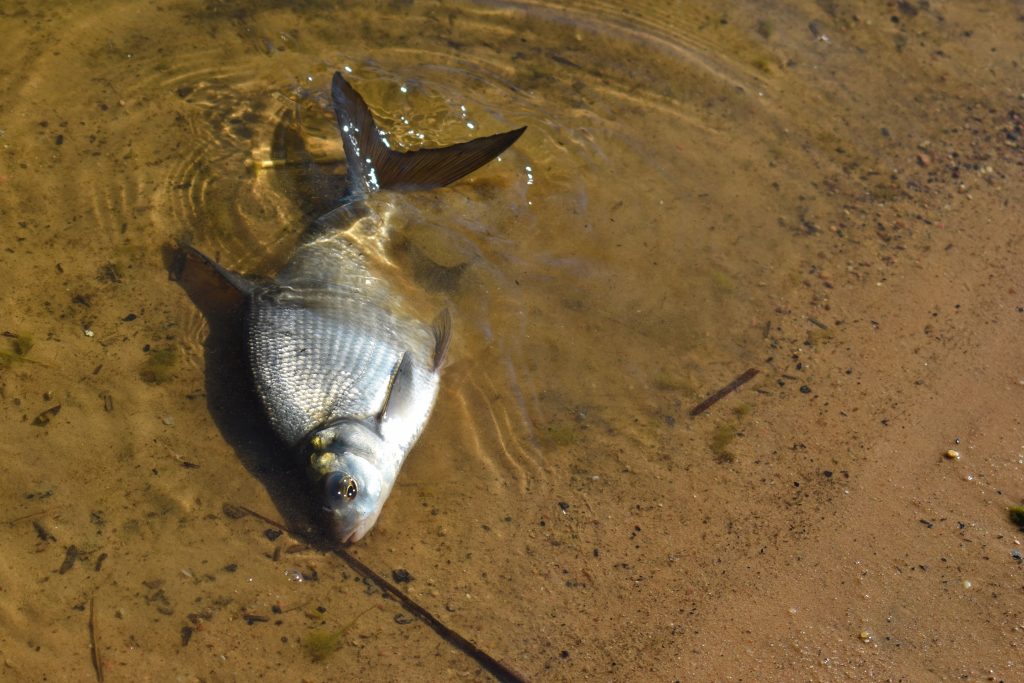
What are the Effects of Water Pollution?
The detriment of water pollution goes beyond human life and wildlife. It’s economical. For instance, oil spills that wash up on beaches wreck the ecosystem and gravely affect tourism. And, arguably, we all contribute to this problem through the use of petroleum-fuelled transport.
Another example is sewage wastewater. Sewage discharged into coastal waters can cause extreme health hazards for those who bathe or surf in them. Besides that, this pollution can poison shellfish growing near the shore. What happens when we eat these poisoned shellfish? The resulting illness is acute and sometimes even fatal, known as paralytic shellfish poisoning.
Water pollution has killed millions of people and sickened billions, but we never think it will happen to us fortunate folk. What we must understand is that pollution harms the environment on which we depend.
A desecrated environment equals lower quality lives.
How Can We Prevent Water Pollution in Malaysia?
1. Our Actions
The first step in making small changes to influence the bigger picture is holding ourselves accountable. Spread awareness of the cause for solutions and limit your own contributions:
- Reduce plastic consumption, reuse and recycle.
- Dispose of oils, chemical cleaners, and non-biodegradable items appropriately to not end up down the drain.
- Consider landscaping that reduces runoff.
- Pick up after your pets!
2. Administrative
- Cooperate with local authorities in enhancing enforcement within specific jurisdictions.
- Increase awareness activities on the need to protect Malaysian rivers as a water supply source.
- Implement the river quality improvement and pollution prevention programme.
- Implement the stormwater management manual (MASMA) and Sediment and Erosion Control plan for all earthwork activities.
3. Legislative
The destructive potential of water pollution lies in its transboundary nature—rivers cross countries, and seas span continents. Pollution from one country’s poor environmental standards spills over to neighbouring nations.
Fortunately, environmental laws can make it harder for people to pollute. In Malaysia, the Environmental Quality Act 1974 enforces legal action on sources that fail to comply with stipulated standards. Other related regulations include the Environment Quality (Sewage and Industrial Effluents) Regulations 1979 and the Environmental Quality Order 1989.
4. Economics
Have you heard about the polluter pays principle? It’s when the culprit who causes pollution says to clean it up. This concept operates in various ways; an everyday example could be shoppers paying for plastic grocery bags. In a sense, it makes people behave in a more environmentally responsible manner.

Paving the way towards a cleaner and better future is a team effort. Whether it’s by individual action, community work, or countries passing laws, banding together will do wonders.
Going back to untreated water, Intelligent Aqua revolutionises water purification with its technology, which combines adsorption and ion exchange to battle contaminants. Check out our innovative solutions and their applications.


